
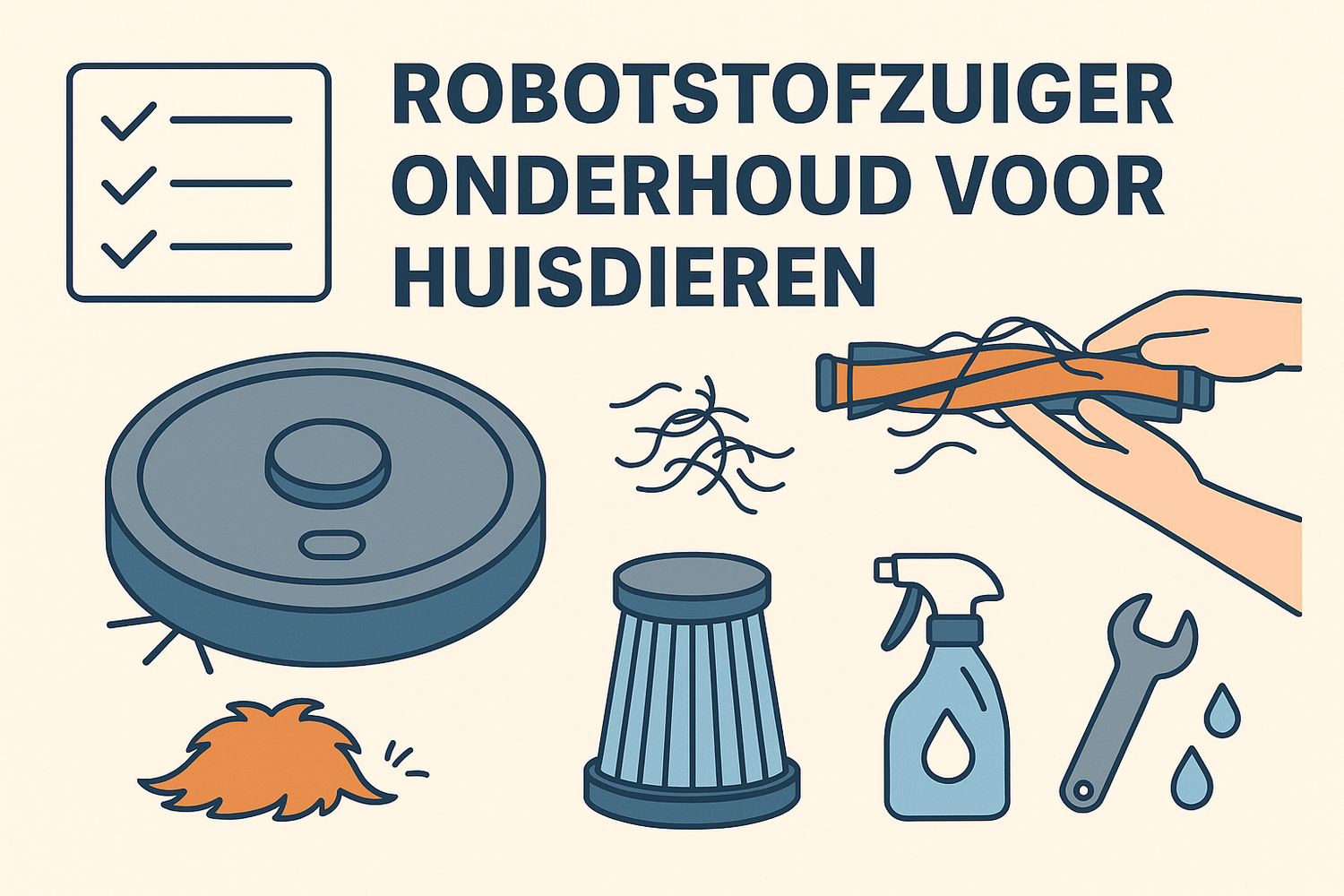
Maintenance Pets Robot Vacuum Cleaners
Robot vacuum cleaner maintenance for pets — keeping it powerful, clean and hair-friendly
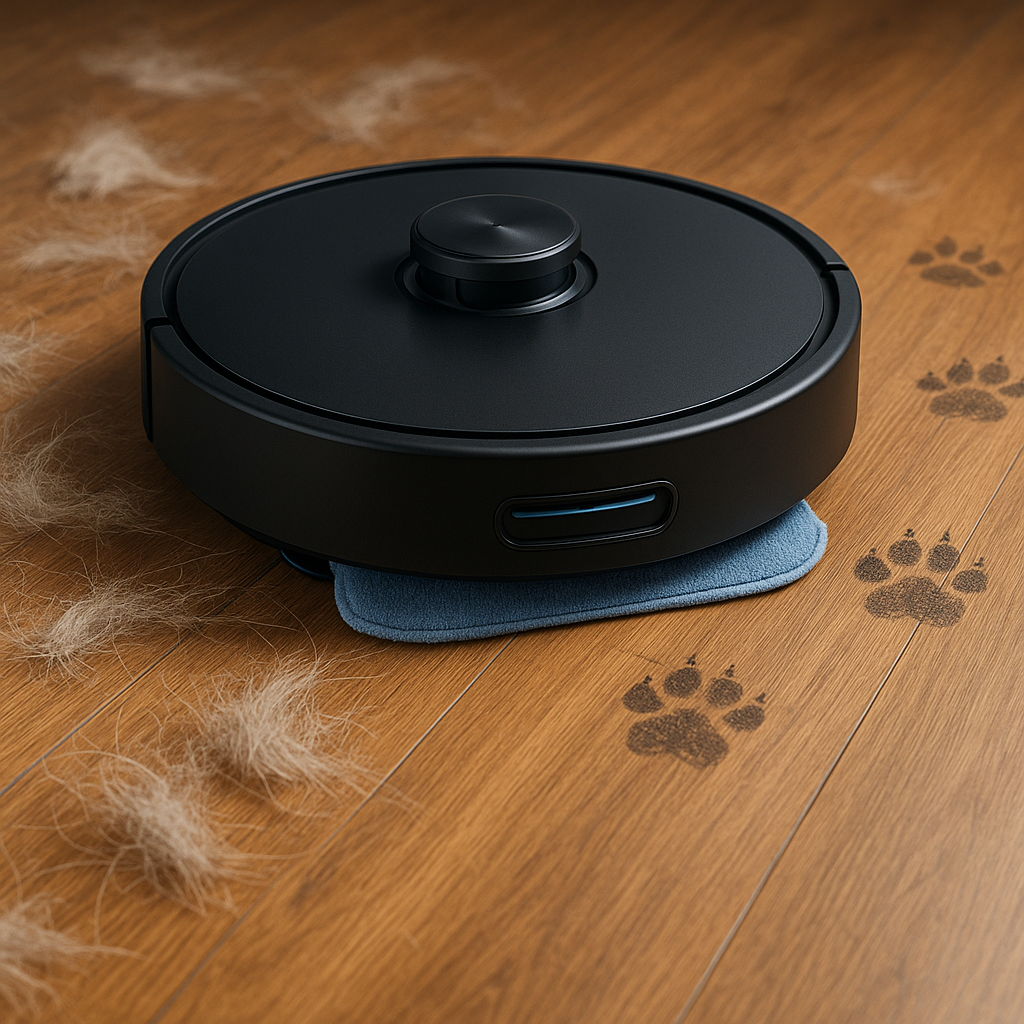
Do you have dogs or cats at home? Then your robot vacuum cleaner will have to endure more than average. Hair, sand, cat litter, saliva, and allergens all affect its performance and lifespan. This comprehensive guide will teach you step-by-step how to keep your robot in top shape—including pro tricks that few people know about.
Why Pet Maintenance Is So Important
Research from Statista shows that more than 60% of robot vacuum users have pets. Robot vacuums therefore suck up enormous amounts of hair every week, which:
- brushes get stuck
- filters clog
- reduce suction power
- accelerate wear
- extend cleaning time
Fortunately, all of this is easily prevented — if you know what to do.
Step 1: Prevent hair tangles (most important part)
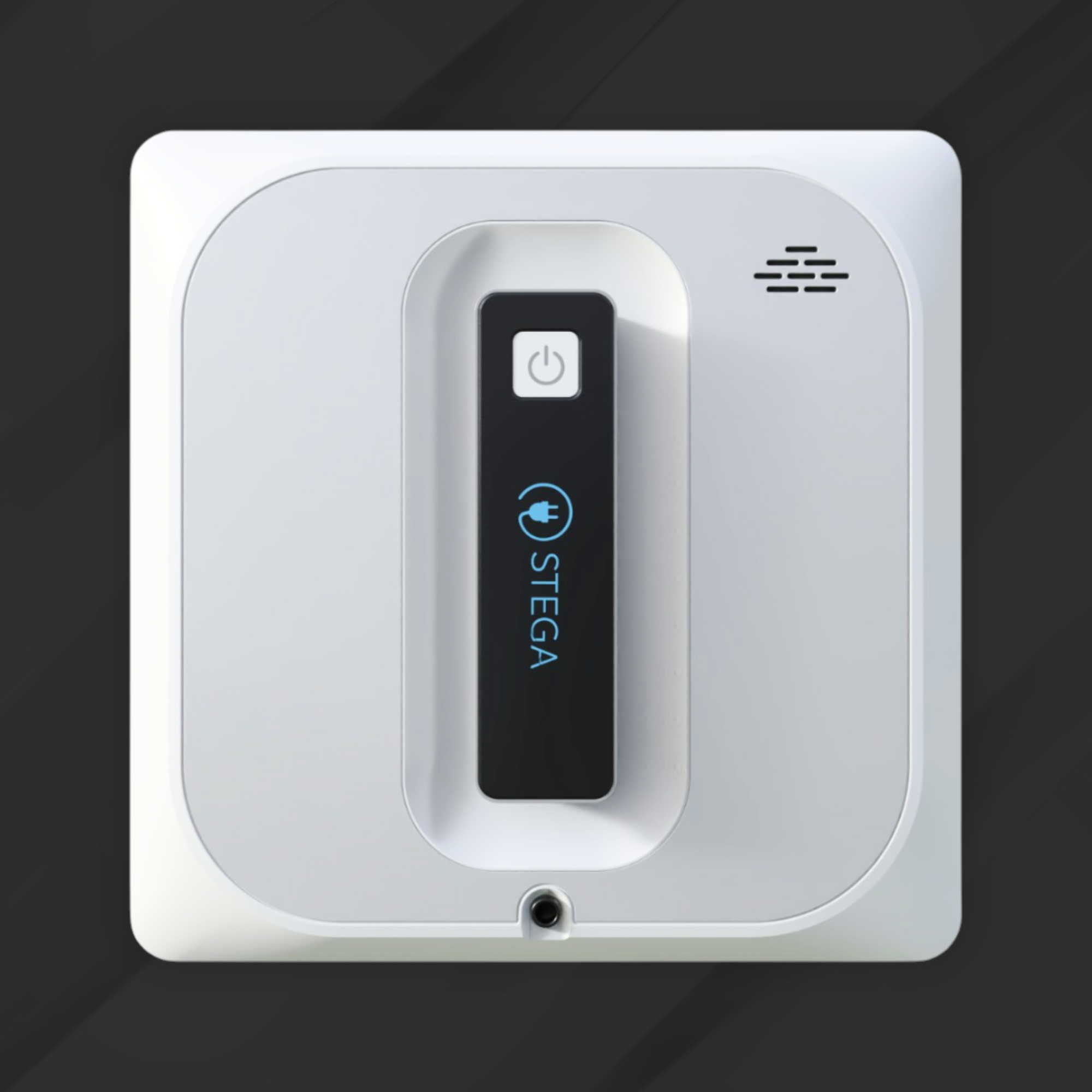
Robot vacuums with an anti-tangle suction port or rubber brushes have a huge advantage with pets. For example, the STEGA RoboCleaner 1400 uses a design that actively reduces tangles.
Many premium robots, such as the Roomba j7+ and Roborock S8 Pro Ultra , use dual rubber rollers that hold less hair.
How to remove hair safely:
- Turn off the robot.
- Unclick the brush housing.
- Use a brush cleaner or comb (often included).
- Cut long hair with small scissors.
- Also check the side brush and wheels.
Frequency: 1–2 times per week in dogs or cats.
Step 2: Empty the dust container (2–4 times a week)
Pets produce much more dust and hair than most people realize. An overfilled bin drastically reduces airflow—and therefore suction power.
Self-draining premium models such as the Dreame L20 and Ecovacs X2 Omni solve this automatically, but emptying a manual bin is still a breeze, taking just 5 seconds.
Step 3: Clean & replace filters
Hair clogs filters — and a clogged filter means 20–40% less suction.
Maintenance schedule:
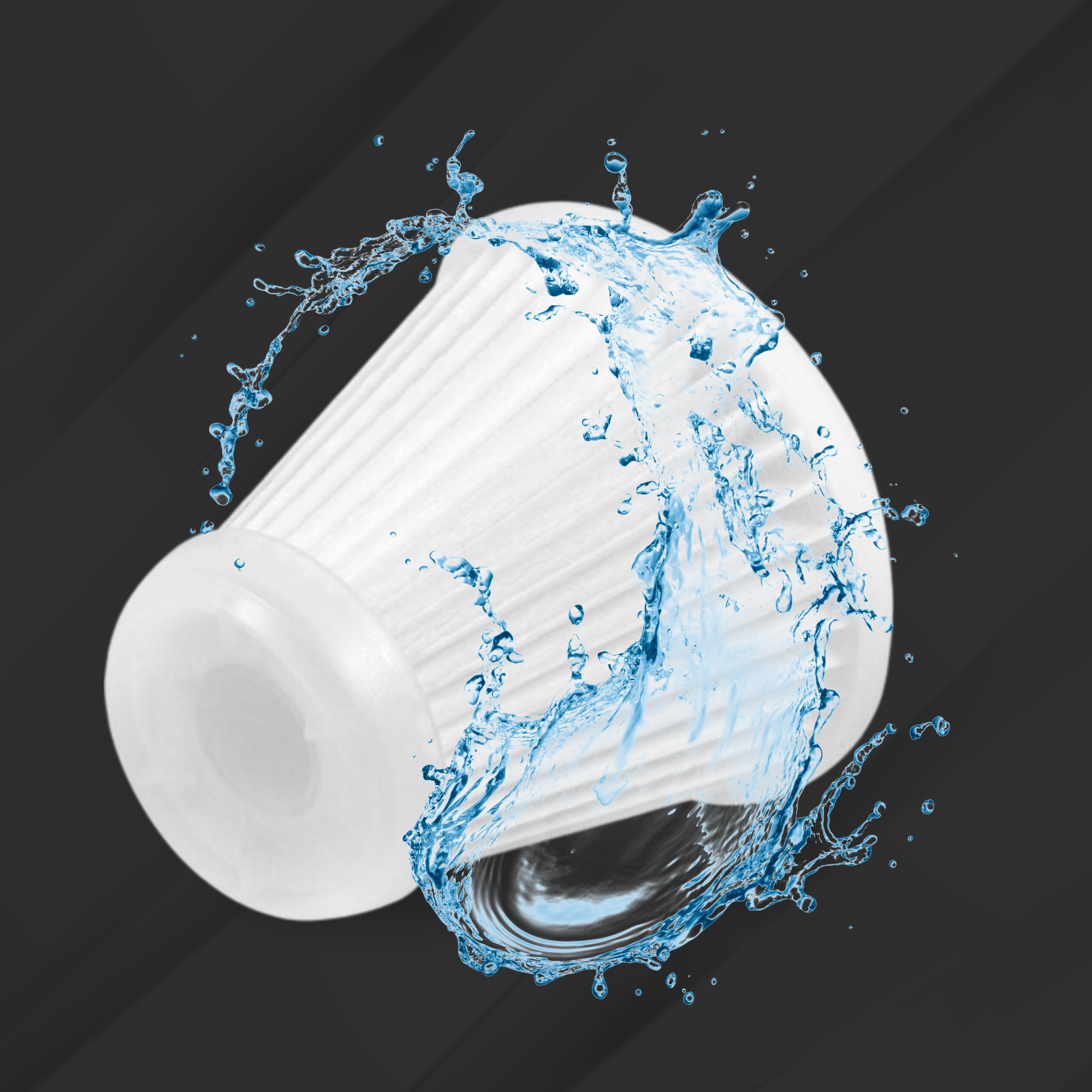
- Weekly: knock or blow out the filter
- Monthly: wash filter (only if allowed!)
- Every 2–3 months: replace filter
More information about filter types can be found on the official EPA page: What is a HEPA filter?
Step 4: Clean wheels, sensors & bumper
This is the most overlooked maintenance step — and it’s where failures often occur.
Clean the following parts:
- Front wheel: hair collects around the axle
- Side wheel arches: sand and grit affect alignment
- Bumper: dirty → worse collision detection
- Sensors: soft microfiber + cotton swab
Step 5: Mop module (for 2-in-1 models)
Robots such as the STEGA RoboCleaner 1400 have a mopping module for daily freshness.
Maintenance:
- Rinse the mop pad after each use
- Rinse the water reservoir weekly
- Never use aggressive cleaning agents
Complete maintenance schedule for homes with pets
| Element | Frequency | Why |
|---|---|---|
| Empty dust container | 2–4 times per week | Maintains suction power |
| Brush/suction port | 1–2 times per week | Prevents entanglement |
| Clean filter | 1x per week | Less allergens & dust |
| Replace filter | Every 2–3 months | Constant airflow |
| Wheels/sensors | Every 4–6 weeks | Better navigation & longer lifespan |
| Mop module | After every turn | Hygiene & odor prevention |
Best Choices for Pet Households
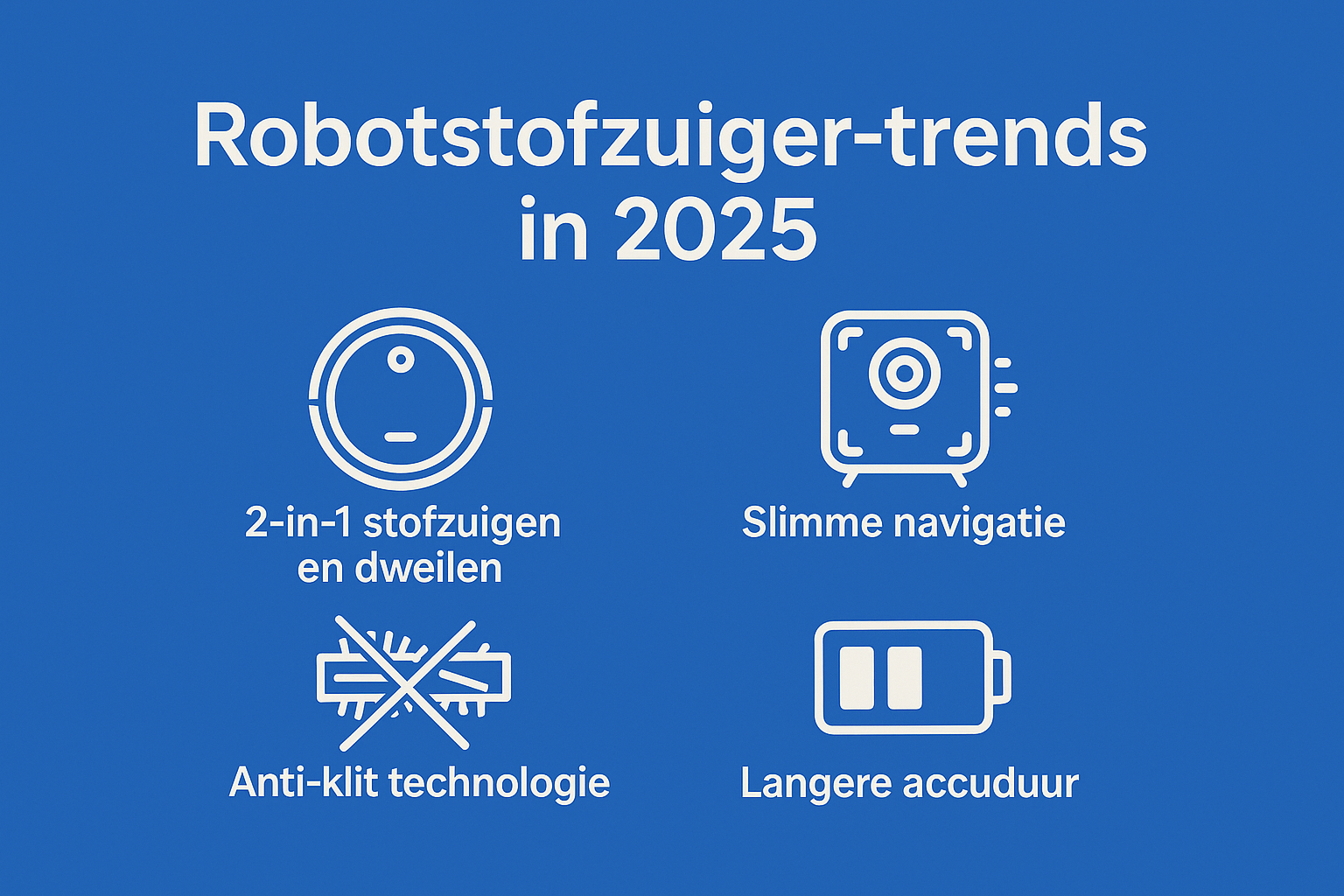
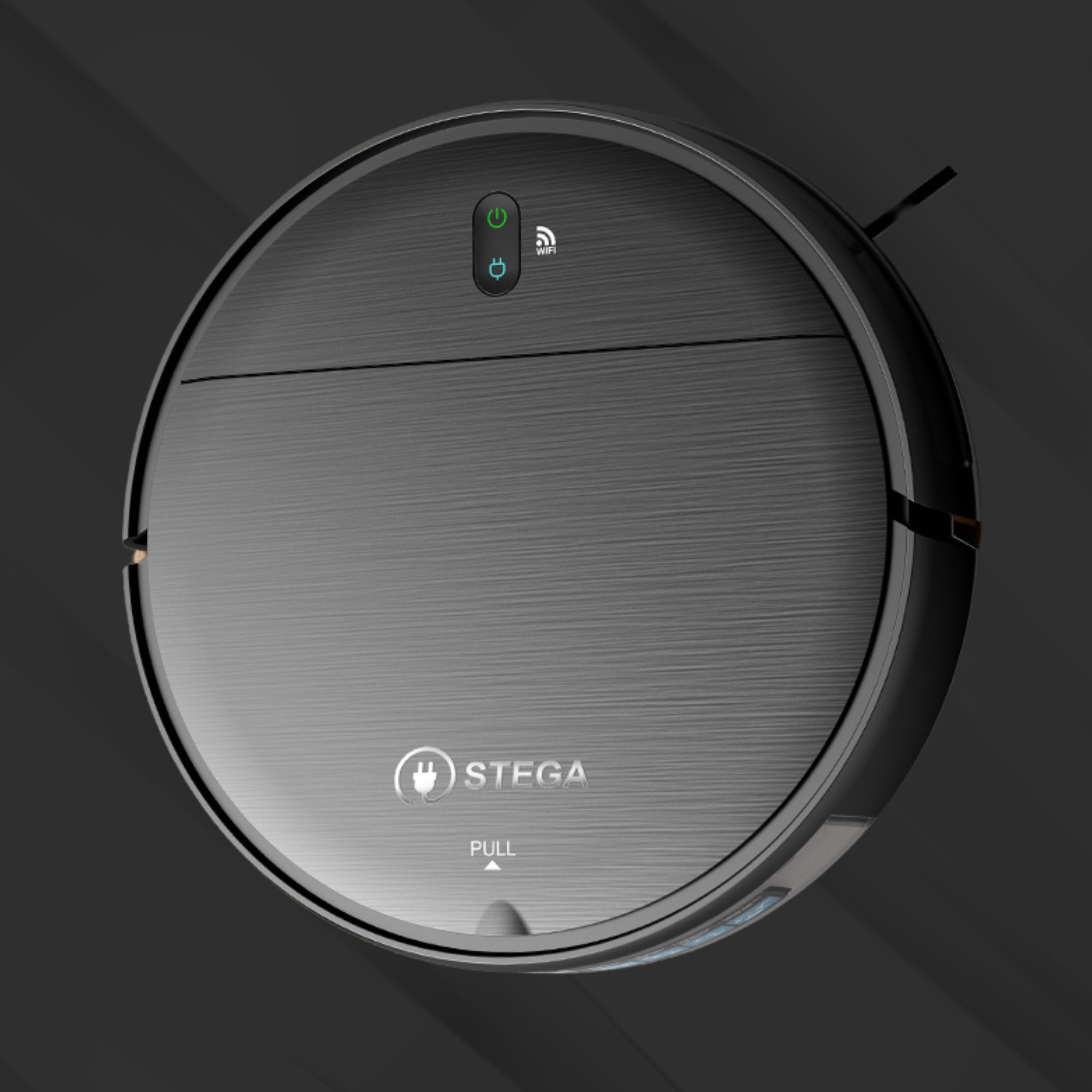
Looking for a low-maintenance robot that can handle pet hair well? The STEGA RoboCleaner 1400 is a strong budget option thanks to:
- anti-tangle suction port
- 180 min battery life
- 2-in-1 mopping function
- systematic gyroscope navigation
Frequently Asked Questions
- How often should I clean my robot vacuum with pets?
- Empty the litter box at least 2–3 times per week and check the brush 1–2 times per week.
- What causes clogged brushes?
- Long dog or cat hair that wraps around the brush.
- How do I know if my filter is getting clogged?
- Less suction power, longer cleaning time or a musty smell.
Proper maintenance improves cleaning results by 30–40%. Make your robot happy—and your floor will be cleaner than ever.

Leave a comment
This site is protected by hCaptcha and the hCaptcha Privacy Policy and Terms of Service apply.