
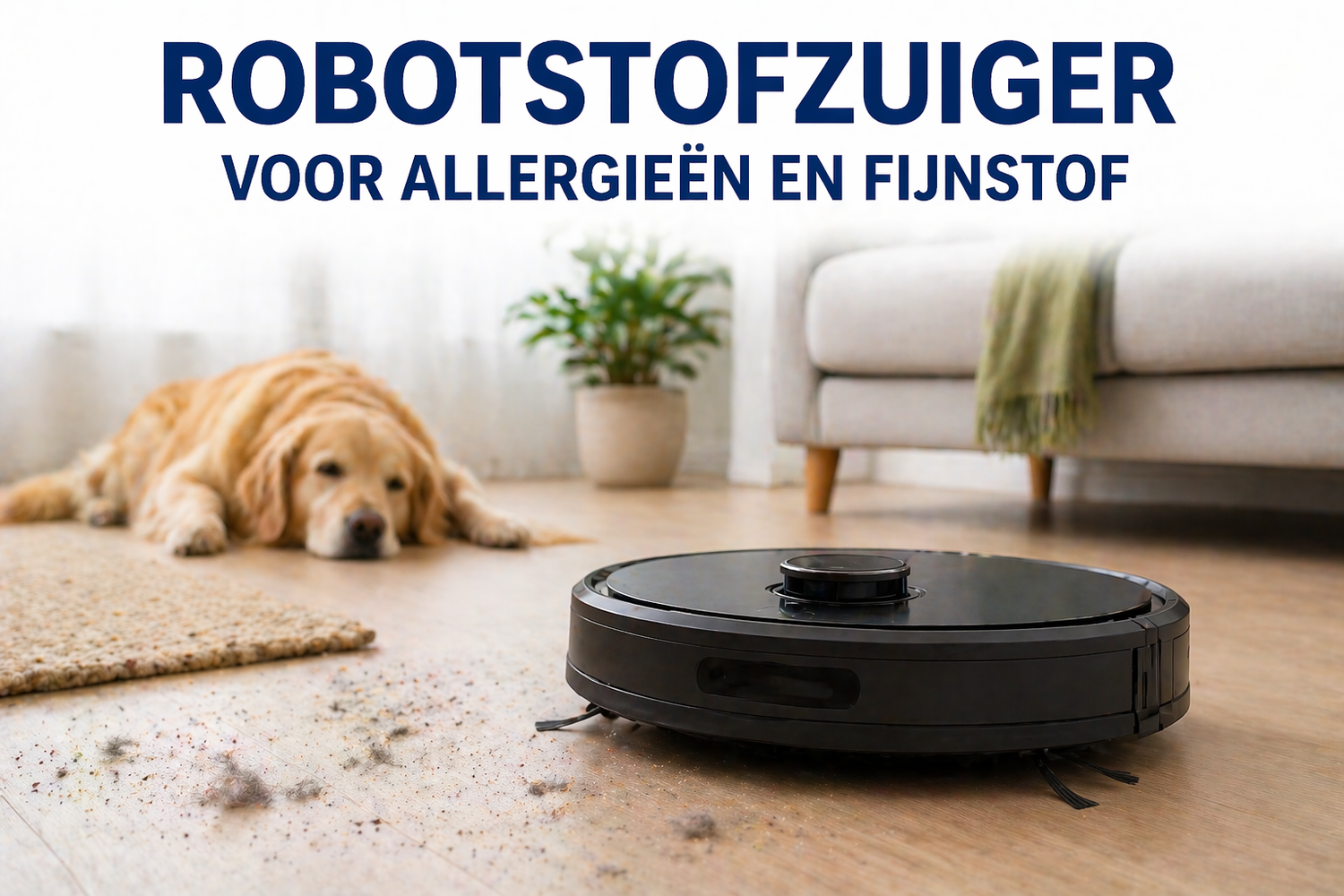
Robot vacuum cleaner for allergies and fine dust: what to look for?
Do you suffer from allergies, fine dust, or quickly visible dust accumulation in your home? Then a robot vacuum cleaner can make a big difference. Not because it solves everything, but because it helps to daily remove dust, hair, and small dirt particles before they accumulate further. For allergies, it's less about a spectacular spec sheet and more about regularity, filter quality, and smart daily maintenance.
Why daily maintenance is more important here than one big cleaning session
For allergies and fine dust, it's not just about visible dirt. It's precisely the small particles that you don't notice as quickly that otherwise remain longer or swirl back up when you walk through the house.
That's why a robot vacuum cleaner works particularly well here if you let it run regularly. Not one intense cleaning, but frequently removing small amounts of dust and dirt. That usually makes your floor and living environment more pleasant than an occasional major clean-up.
What should you look for in a robot vacuum cleaner for allergies?
1. A good filter system
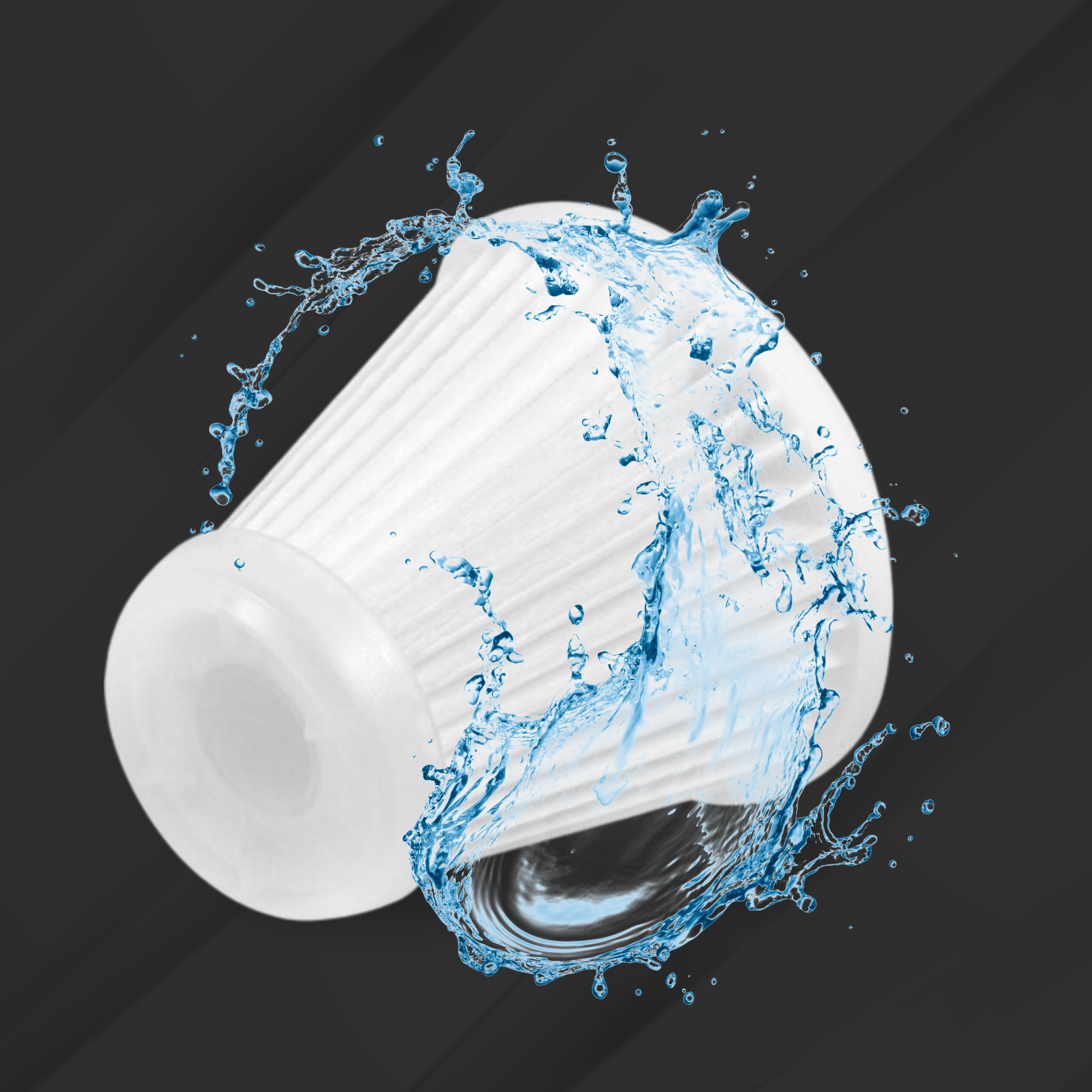
The filter is important here. A robot vacuum cleaner not only picks up dirt but must also keep it neatly contained. Especially with fine dust and allergies, you want collected dust not to unnecessarily re-enter the air.
- Check if the model uses a high-efficiency filter
- Clean the filter regularly
- Replace filters on time for continued performance
2. Regular use without hassle
A robot vacuum cleaner helps most if you actually use it often. Therefore, ease of use is at least as important as technology. A model that you can easily run often yields more than a feature-rich model you hardly use.
3. Good performance on hard floors
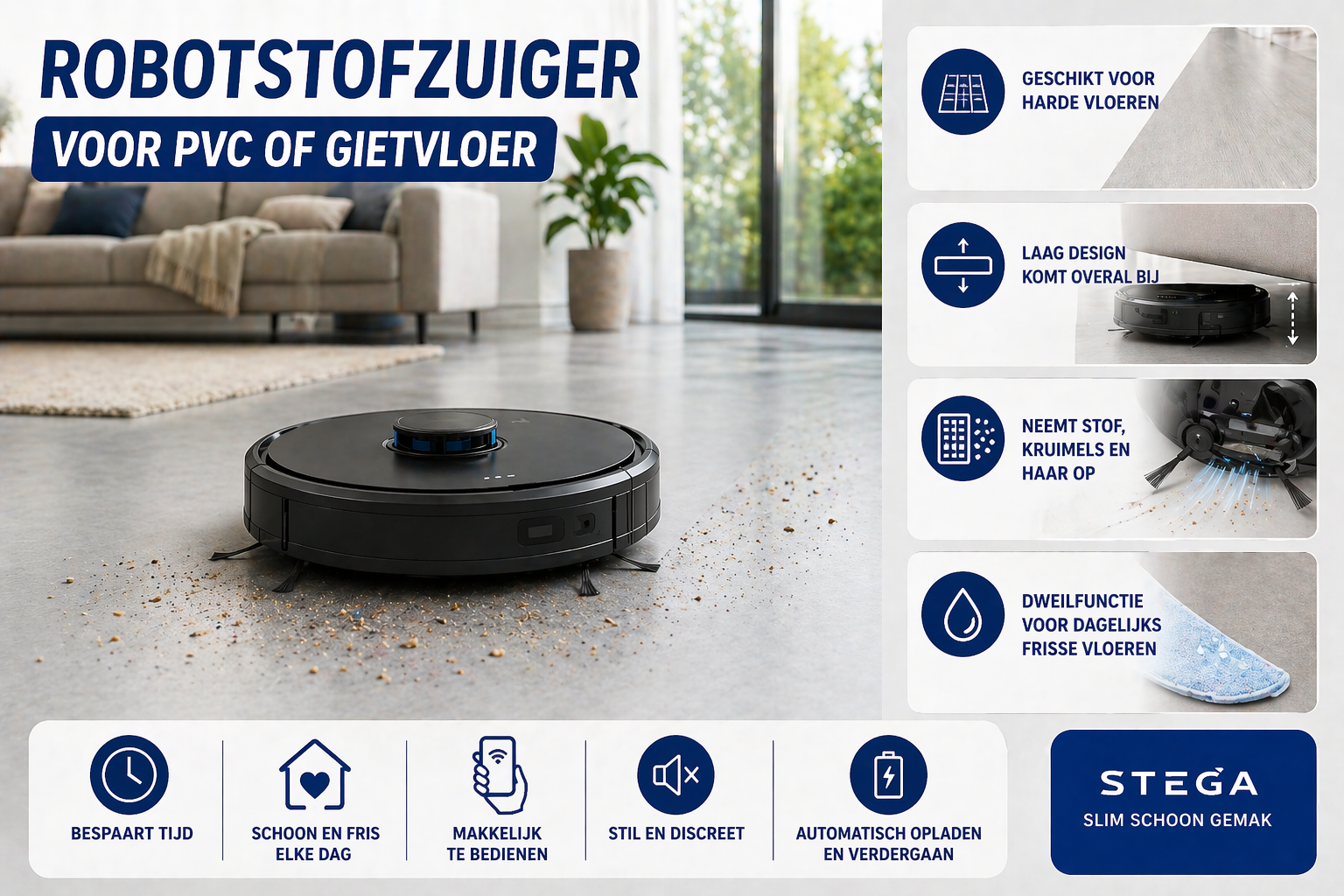
On hard floors such as PVC, wood, tiles, and laminate, fine dust often lies more on top of the floor. This makes a robot vacuum cleaner particularly useful, as it can easily keep up with this daily dust.
4. Maintenance of dustbin and parts
A full filter or overflowing dustbin reduces performance. With allergies, you want to prevent your robot from continuing to run with a contaminated system. Regular maintenance is therefore not a detail, but part of the result.
5. Pets, hair, and extra dust load
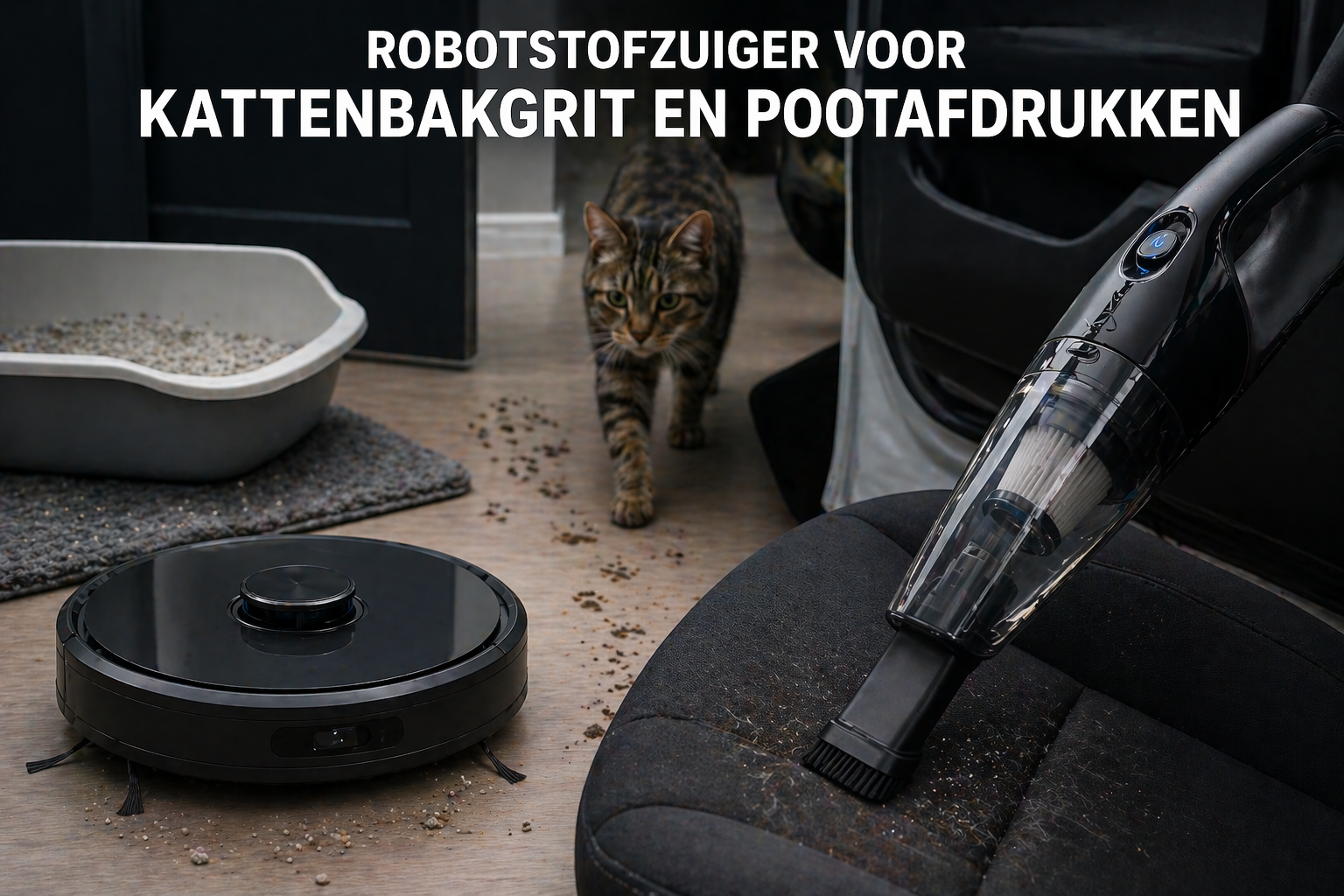
Do you have pets? Then you often get not only hair but also extra dust and allergens in your home. In that case, a robot vacuum cleaner that helps daily becomes even more valuable.
What helps — and what do people sometimes expect too much from?
What a robot vacuum cleaner does do well
- daily reduction of dust and hair
- keeping floors visibly tidier
- reducing the time fine dirt lies around
- cleaning under furniture where dust accumulates
What you should not expect
- that one robot solves all allergy complaints
- that maintenance of the device is unimportant
- that an occasional single run is enough for lasting results
When is a simple model sufficient?
For many households with hard floors and normal daily dust load, a practical robot vacuum cleaner is already very valuable. Especially if you are mainly looking for:
- daily less dust on the floor
- less manual vacuuming
- a logical price-quality choice
- a model that you can easily deploy often
When does a more advanced model become more interesting?
A more advanced model becomes particularly attractive if your home or usage is more intensive. For example, when you:
- want to clean multiple rooms specifically
- have pets and want to clean extra often
- seek more comfort and less manual maintenance
- want more control per room via mapping and zones
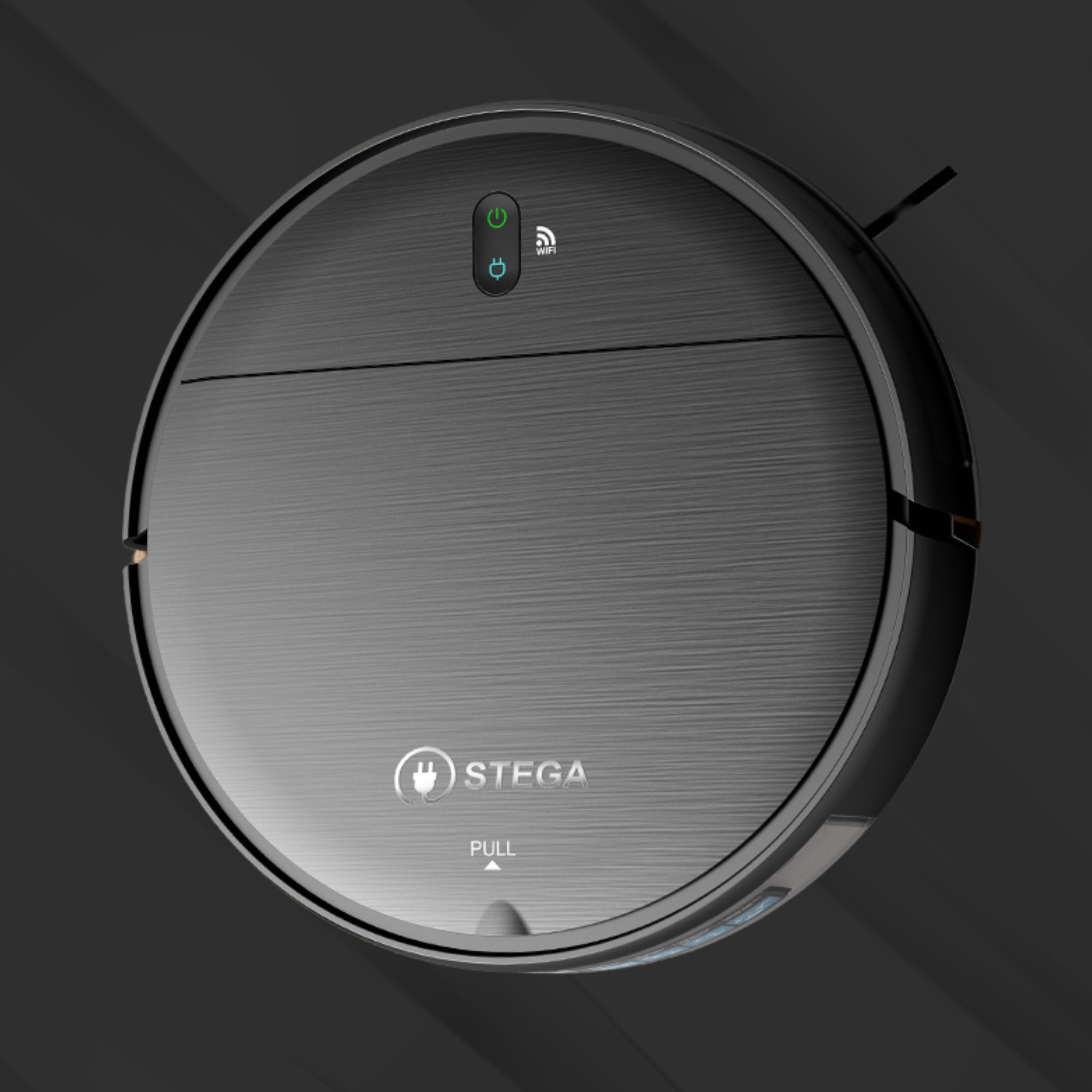
Why the STEGA RoboCleaner 1400 is logical for many households
The STEGA RoboCleaner 1400 is interesting for households primarily looking for an affordable and practical robot vacuum cleaner for daily maintenance. Especially with fine dust and allergies, that's often the core: regular cleaning without hassle.
Why this is a good fit
- suitable for daily floor maintenance
- works with a high-efficiency filter
- picks up dust, crumbs, and hair on hard floors and low-pile carpets
- compact enough to clean under furniture where dust often accumulates
- strong price-quality ratio
Who this is smart for
- households with visible dust accumulation
- people who want to clean automatically more often
- homes with hard floors
- buyers who value simplicity more than maximum luxury
When does the RoboCleaner Max become more interesting?
The STEGA RoboCleaner Max becomes more interesting if you want more comfort and less effort. For example, if you have multiple rooms, want to clean specifically per room, or want less manual emptying and intervention.
The Max is especially smart if you…
- want more control per room
- want to do as little as possible yourself
- want to clean more often and smarter in a larger home
- value comfort more than just price
Don't forget the routine
For allergies and fine dust, routine is often more important than perfection. A robot vacuum cleaner that runs daily or every other day usually helps more than a model that is theoretically very powerful but is rarely used in practice.
In addition, maintenance remains important: empty the dustbin on time, clean the filter regularly, and replace parts when performance declines.
Summary
When choosing a robot vacuum cleaner for allergies and fine dust, mainly consider:
- a good filter and collection system
- suitability for daily use
- performance on hard floors
- easy maintenance
- a model that fits your home and routine
Looking for an affordable and practical choice for daily dust maintenance? Then the STEGA RoboCleaner 1400 is a logical option for many households. Do you want more convenience, more control, and less manual work? Then the STEGA RoboCleaner Max becomes more interesting.
View all STEGA robot vacuum cleaners

Leave a comment
This site is protected by hCaptcha and the hCaptcha Privacy Policy and Terms of Service apply.