
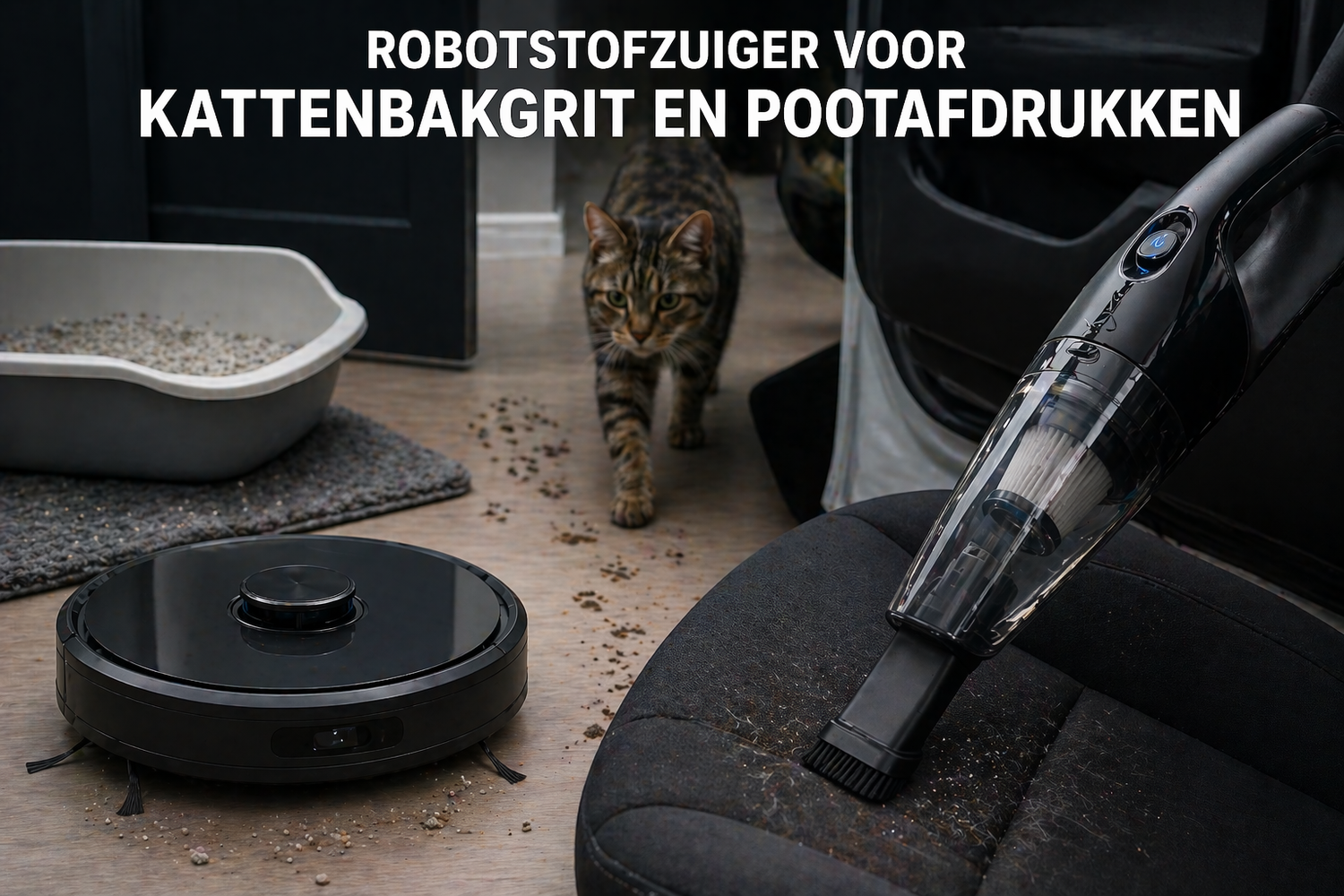
Robot Vacuum Cleaner for Cat Litter and Paw Prints: Does it Really Work?
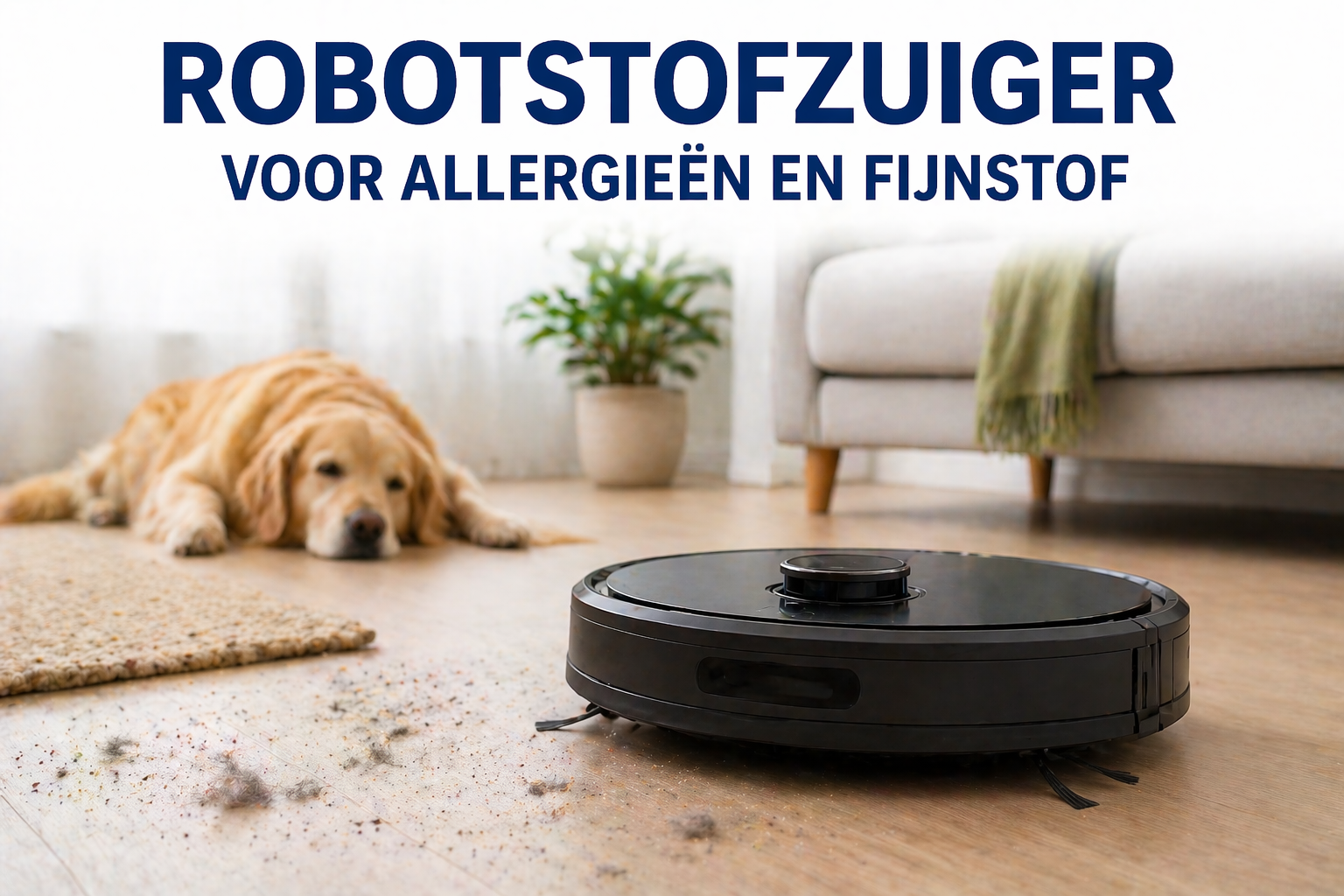
Do you have a cat or dog at home? Then you know how quickly cat litter, sand, hair, and paw prints spread throughout your home. It's precisely this small daily mess that makes a floor look untidy. A robot vacuum cleaner can make a big difference — but only if you understand its strengths and what you can realistically expect.
Why this type of dirt is so annoying
Cat litter, sand, and paw prints are not major cleaning problems, but rather recurring minor annoyances. You sweep them away, and a few hours later, there's already more. Especially around the litter box, behind the back door, in the hallway, or near feeding bowls, it keeps coming back.
And that's precisely where the strength of a robot vacuum cleaner lies: not in one extreme cleaning session, but in daily maintenance of small messes before they spread further through the house.
Does a robot vacuum cleaner really work for cat litter?
Yes, especially for daily maintenance
Cat litter is precisely the kind of dirt where a robot vacuum cleaner can be helpful. Small granules around the box or in the walkway to the living room are easier to manage if a robot cleans regularly.
- Less litter spreading through the house
- Less frequent manual sweeping around the litter box
- Especially useful on hard floors
Not as a complete replacement
If there's a lot of litter next to the box at once, or if there's wet, sticky dirt, manual cleaning may still be necessary. But for daily loose granules, a robot vacuum cleaner is very useful.
And what about paw prints?
Dry paw prints and fine dirt
Dry footprints with sand, dust, or small granules are exactly the type of dirt that a robot vacuum cleaner can effectively help reduce. Especially in the hallway, kitchen, or living room, you'll quickly notice a difference.
Wet or muddy paw prints
You need to be more realistic about these. A robot vacuum cleaner is strong at tackling dust, hair, crumbs, and light daily dirt. Muddy or sticky marks often still require manual cleaning.
What should you pay attention to if you have pets?
1. Hard floors are ideal
On PVC, laminate, tiles, wood, and cast floors, grit, sand, and hair often lie on top of the floor. This makes it easier for a robot vacuum cleaner to pick up than on high-pile carpet.
2. Daily use is more important than peak performance
For cat litter and paw prints, regularity is more important than one very strong round. The more often the robot cleans, the less dirt accumulates.
3. Ease of maintenance matters a lot
If you have pets, the dustbin, filter, and brushes fill up faster. A robot vacuum cleaner should therefore not only clean well but also be easy to maintain.
4. Reliability is key around the litter box, doormat, and feeding area
These are often the real problem areas. A robot vacuum cleaner must be able to clean there regularly without you having to constantly correct it.
What often goes wrong with expectations?
Expecting too much from mopping
A mopping function can help keep a floor fresher, but heavy mud or caked-on stains remain a different story. See mopping primarily as maintenance, not as a miracle cure.
Thinking one round per week is enough
With pets, a fixed routine works best. Cat litter and sand keep coming back, so regular automatic cleaning gives by far the best results.
Forgetting that the environment also matters
A good litter mat, a doormat, and cleverly placed feeding areas also help. A robot vacuum cleaner works best as part of a convenient home routine.
For which type of household is this especially smart?
Households with cats
Especially around the litter box and the route leading to it, the difference is often quickly noticeable. Fewer loose granules immediately mean a tidier floor.
Households with dogs
With dogs, it's often about sand, hair, and dry paw prints. Especially in the hallway or living room, a robot vacuum cleaner can take a lot of daily work off your hands.
Homes with hard floors
That's where a robot vacuum cleaner performs best. On smooth floors, dirt is visible faster and easier to pick up daily.
Why the STEGA RoboCleaner 1400 is a good fit here
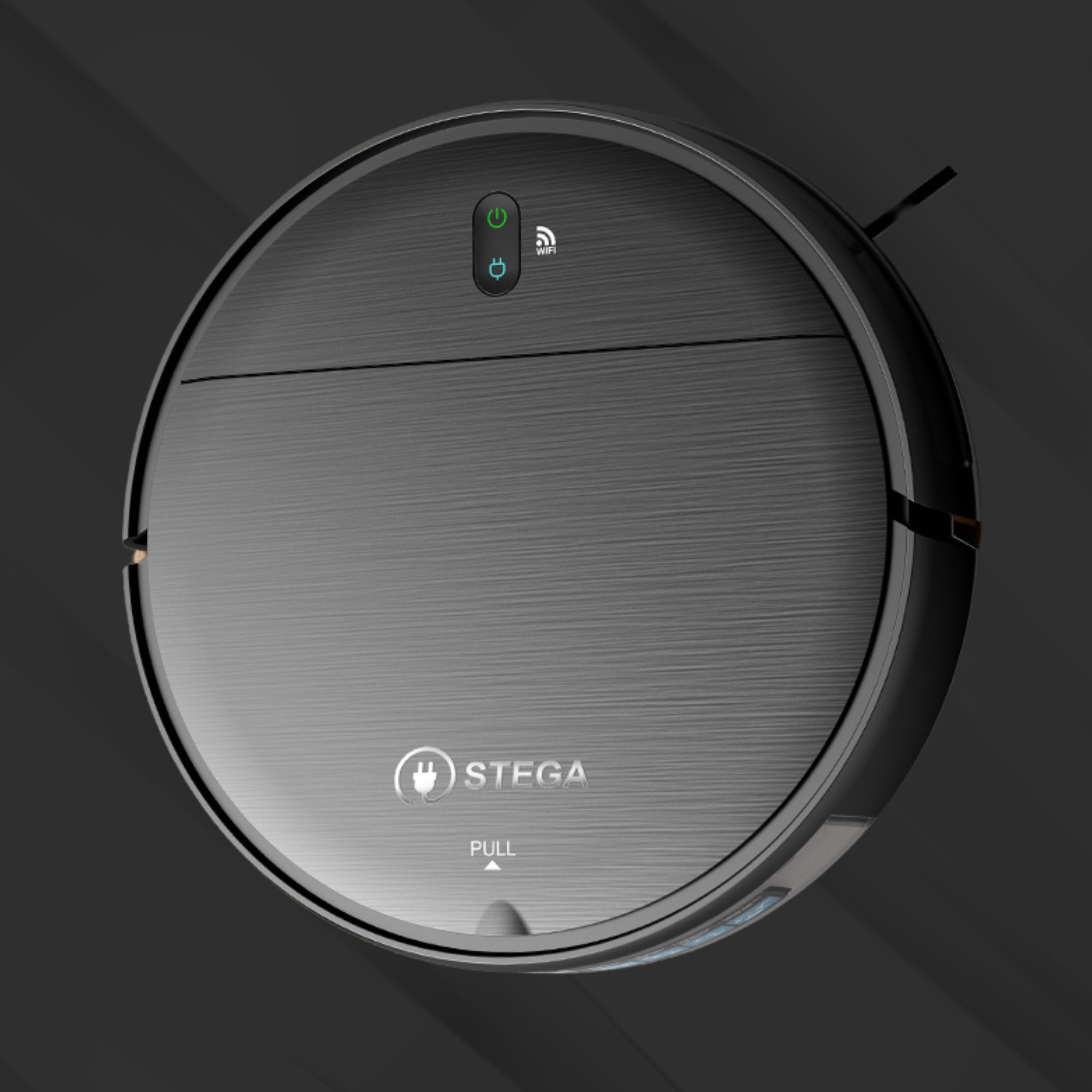
The STEGA RoboCleaner 1400 is positioned by STEGA as a robot vacuum cleaner with mopping function for daily cleaning convenience on hard floors and low-pile carpet. This makes it particularly interesting for households that want to regularly keep up with cat litter, sand, crumbs, and hair without having to vacuum themselves all the time. :contentReference[oaicite:1]{index=1}
Why this is a good fit
- suitable for daily maintenance
- works well on hard floors
- compact enough for under furniture and around walkways
- vacuuming and mopping in one device
- practical price-quality choice for pet households
When is the RoboCleaner Max more interesting?
The STEGA RoboCleaner Max becomes more interesting if you have more rooms, want more control per space, or are looking for less manual maintenance. Especially in busier households with multiple problem areas, this extra comfort can be pleasant. :contentReference[oaicite:2]{index=2}
The Max is especially smart if you…
- want to clean multiple rooms specifically
- want to empty or correct as little as possible yourself
- are looking for more comfort in a busy household
- want more control via app, zones, and map building
Extra clever tip for pet owners
Let your robot vacuum cleaner run when grit and sand are most likely to spread. For example, after changing the litter box, after a walk, or later in the day when most paw prints have already appeared. It's precisely this routine that makes the difference.
Summary
A robot vacuum cleaner can be very helpful with cat litter and paw prints, especially if you:
- have hard floors
- want to clean regularly and automatically
- want to keep up with small daily messes
- have realistic expectations for wet or heavy dirt
Looking for a practical choice for daily pet maintenance? Then the STEGA RoboCleaner 1400 is a logical option for many households. If you want more comfort, more control, and less hassle, then the STEGA RoboCleaner Max becomes more interesting.
View all STEGA robot vacuum cleaners

Leave a comment
This site is protected by hCaptcha and the hCaptcha Privacy Policy and Terms of Service apply.